

vulnerability
Blog post
Backporting security fixes at scale with Codex
Source: Trail of Bits Blog · Published · Last checked 1 hour ago · 3 min read
Publisher excerpt From Trail of Bits Blog
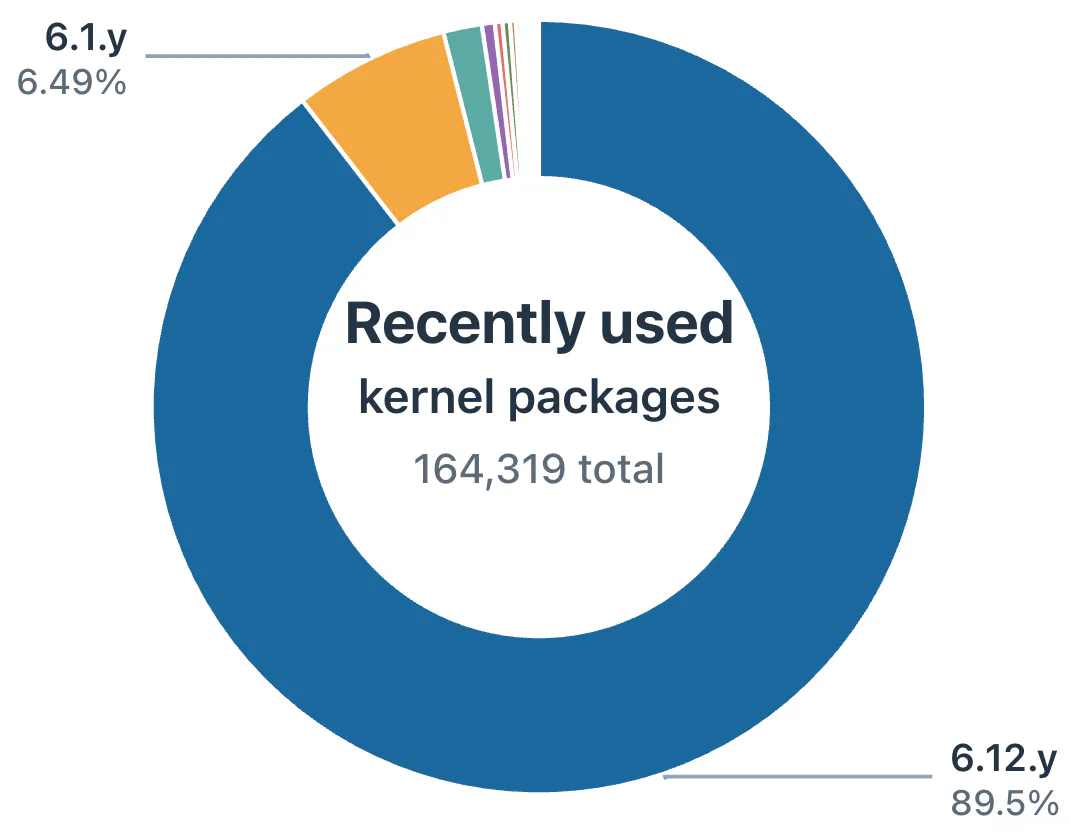
Stable Linux releases lack existing security fixes because backporting them is time-consuming and often thankless work. We’re using Codex to reduce the backporting process time from days to hours per fix, empowering human patch reviewers to rapidly submit fixes for critical software like Ubuntu Long Term Support, Fedora, and the Linux kernel. By October 29, our project helped deliver fixes for 149 distinct CVEs into stable Linux kernel releases, and several fixes to Fedora and Ubuntu packages. Deploying fixes to older software requires multiple steps, including adapting fixes to older code, checking dependencies, and ensuring the fix did not introduce new bugs. A single task (like tracking down a bug in a bad commit) can take a week or more of effort that no one sees or appreciates. Our Codex workflow has reduced the human effort required to prepare and review fixes. Excluding project-specific initial setup, preparing and reviewing a straightforward backport takes about 30 minutes of human attention; a more involved case can take around three hours. The workflow’s approach is twofold: agents perform activities like identifying missing fixes, adapting patches, assembling validation evidence, running tests, and preparing submission packets, while engineers review the patches and submit them to maintainers. Those estimates only cover patch preparation and review; regression testing and maintainer acceptance remain essential. But the reduced human commitment makes a substantial class of neglected security work practical to undertake. The patch backlog is large, but we now have a practical way to work through it. Do we have to decide between stability and security? Software has bugs, and we try to fix them when we can. The first place the fix happens is in the latest version of the software. Unfortunately, that’s often the only place where the fix happens. Backporting is the process of getting a fix from the latest source code to older versions. Fixes for big-name, critical bugs are indeed often backported quickly. But for many other bugs, the backporting process never happens. It is easy to understand why: software packaging is often done by volunteers who are already overworked, and backporting is frustrating, thankless work that gets little credit or publicity. For open source projects staffed by teams of volunteers, backports are (understandably) a low priority. As XFS developer Dave Chinner once described, this work is “effectively a full time job” that simply goes undone without sufficient resources. The lack of backports is a problem because almost no one runs the latest and greatest version of software that’s been freshly built with today’s code changes. People overwhelmingly prefer slightly older, more tested software packaged in “long term stable” releases. For example, about 95% of Ubuntu Linux installations are of the Long Term Support (LTS) variety. When looking at installed Linux kernel packages from Debian’s popcon, the overwhel…
Excerpt only, shown with attribution. This content belongs to the original publisher and has not been independently verified by CyberSecurity.pk.
Related CVEs
Keywords: vulnerabilityrcesecurity flawexploitedawsaptCVE-2026-98432vulnerability newsTrail of Bits Blogcybersecurity newssecurity news Pakistan
Reference: Trail of Bits Blog — blog.trailofbits.com ↗