

supply-chain
Blog post
Package managers have an integrity problem
Source: Trail of Bits Blog · Published · Last checked 2 hours ago · 2 min read
Publisher excerpt From Trail of Bits Blog
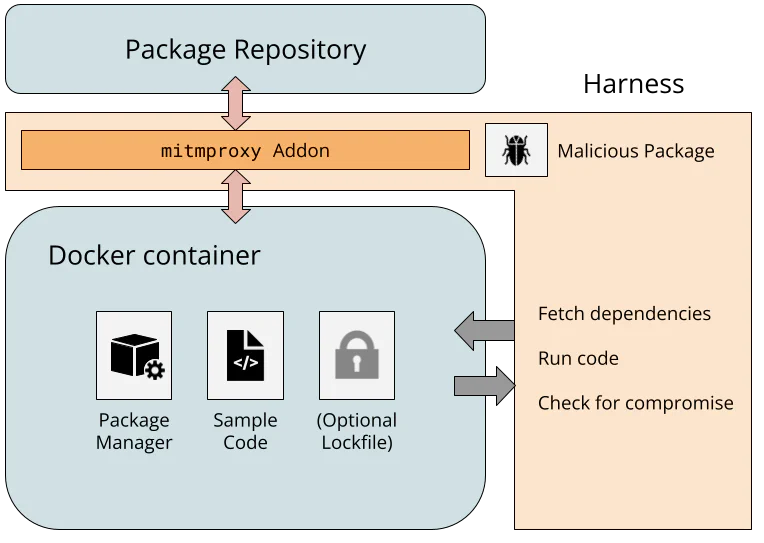
I tested 25 of the most popular package managers to check whether they detect a compromised package repository injecting malicious code into legitimate packages. This code integrity problem could be solved using cryptographic hashes or signatures, but many package managers are still vulnerable to this threat. Of the 25 package managers reviewed1, fewer than half used lockfiles that checked for tampering by default, and only two verified the integrity of every package they downloaded. Supply-chain attacks caused by developer compromise are a common story, but imagine what happens if ongoing mitigation attempts, including work by Trail of Bits2, are successful. If developers of popular packages are no longer the easiest targets, attackers will shift their focus to the next weakest link in the system: the package repositories that serve the code. The cryptographic answers to this problem are more subtle than they appear, and many implementations fall short due to deliberate design choices, resource prioritization, or the complexity of developer-friendly solutions. One natural answer is to include a cryptographic hash of a package’s contents in a lockfile and compare hashes after downloading the package. This automatic verification was the default behavior in about half of the package managers I tested, but others required extra configuration to include or verify these hashes, used hashes in a cryptographically insecure way, or lacked hashes entirely. This is summarized in the following table. Verifies integrity Go, vcpkg Verifies if lockfile is present Bun, Bundler, Cargo, npm, pnpm, Poetry, SwiftPM, uv, Yarn Verifies with lockfile + extra steps Conda, Gradle, Pip, NuGet, Pub Does not verify with lockfile or N/A CocoaPods, Composer, Conan, cpanminus, Gem, Maven, PowerShellGet, PSResourceGet, R Table 1: Lockfile-based security of a package manager fetching dependencies from a malicious repository, categorized by how much work it takes a developer to achieve integrity. Experimentally verified for a particular configuration. Caveats detailed below. Another natural approach is to use signatures, avoiding the need to securely distribute a hash for every package. However, in my tests, only Go verified signatures by default; others required extra configuration, lacked verification code, or did not support signatures. Verifies signatures Go Verifies with configuration Bundler, Gem, Gradle, Maven, npm, NuGet Missing or incomplete verification Bun, cpanminus, Pip, pnpm, Poetry, PowerShellGet, PSResourceGet, uv, Yarn No signatures available for verification Cargo, CocoaPods, Composer, Conan, Conda, Pub, R, SwiftPM, vcpkg Table 2: Signature-based security of various package managers. Also experimentally verified and subject to similar caveats. As both tables show, I found a surprising variation in the cryptographic designs and the level of protection they provide. Despite the challenges, I also found several communities on the frontier of…
Excerpt only, shown with attribution. This content belongs to the original publisher and has not been independently verified by CyberSecurity.pk.
Keywords: vulnerabilityrcemalwareloadernpm packagepypimalicious packageawsdockeraptsupply chainsupply chain newsTrail of Bits Blogcybersecurity news
Reference: Trail of Bits Blog — blog.trailofbits.com ↗